
From a forensic problem to a research question
The laboratory’s research starts with unresolved evidentiary problems. Investigating those problems can produce new methods, tools and knowledge, which in turn can support future forensic practice.
SPOT grew out of a practical question about digital imagery: whether an image is consistent with physical camera capture. The project builds on research into image formation and sensor pattern noise.
Development with a defined evidentiary purpose
A promising research result and a capability ready for operational use are different stages. We distinguish experimental findings from performance established for a particular operational use.
Research outputs may sometimes become independently useful technologies. They remain part of the broader laboratory model, informed and funded by forensic expert work.
Research enquiries
RHEM Labs welcomes enquiries about its published work and the next stages of its research projects. For SPOT, the current focus is representative evaluation, workflow integration and co-design with operational users and research partners.
Contact the laboratory about research.
Examine the research foundation
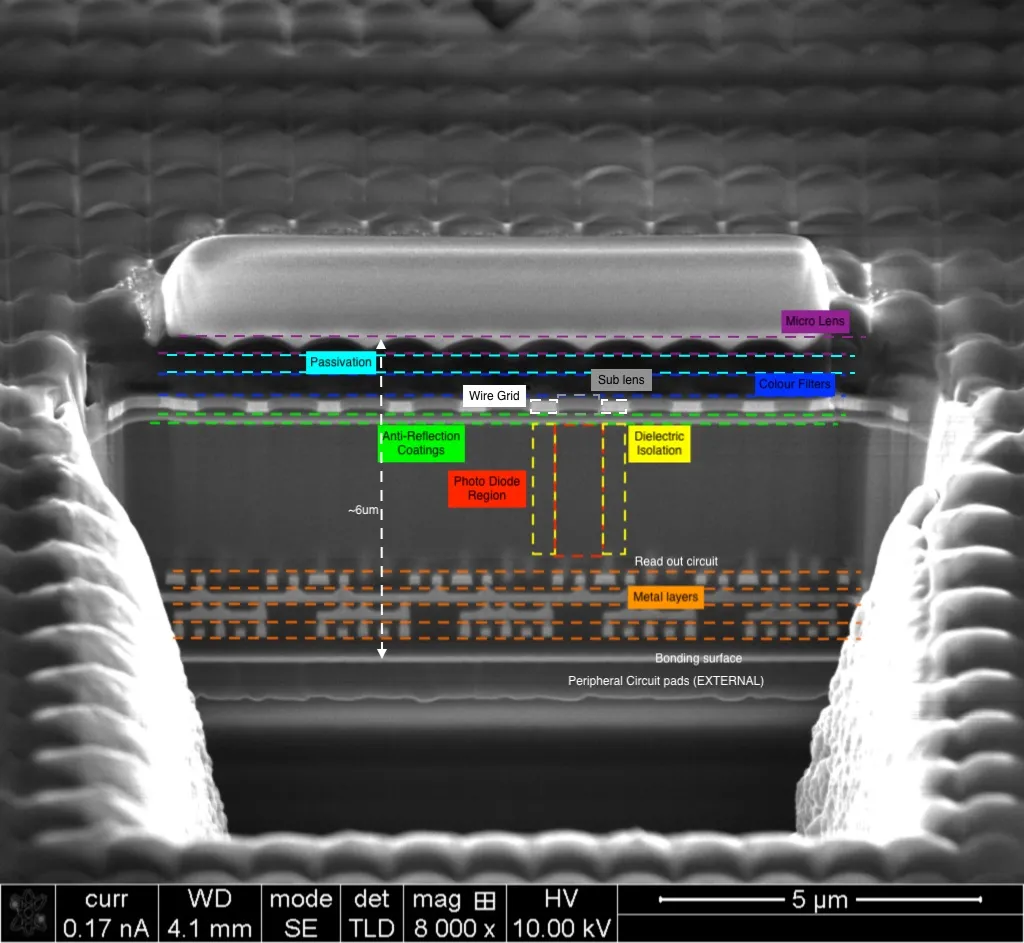
Richard Matthews, 2019 doctoral thesis, Figure 5.2, page 61. The physical sensor research is one foundation for subsequent image-origin investigation. Read the thesis record or examine SPOT’s published experimental evidence.
A cycle of evidence and method
- Practice exposes a recurring problemCasework identifies a technical question with evidentiary consequences.
- Research tests an explanationDevelop a method, evaluate evidence and report limitations.
- Validation informs practiceMethods strengthen examination only within supported conditions.
- Professional work funds further researchThe laboratory reinvests part of its practice proceeds in unresolved questions.
Explore research and technical partnerships or the proposed Defence evaluation pathway for SPOT.